Blog
Mini Dachshund Puppy Guide: What to Expect From 8 Weeks to 1 Year


A Mini Dachshund Puppy brings a lot of personality into a small body, and the first year is filled with fast growth, new experiences, training milestones, and plenty of adorable moments. From the day your puppy comes home at around 8 weeks old to their first birthday, you will watch them grow from a tiny, curious puppy into a more confident young Dachshund.
Mini Dachshunds are known for their long bodies, short legs, bold personalities, and strong bonds with their families. While they are small, they are not low-maintenance dogs. They need proper nutrition, safe exercise, training, socialization, grooming, and plenty of attention.
Knowing what to expect at each stage can make raising your puppy much easier. This guide covers the major milestones from 8 weeks to 1 year, including growth, feeding, potty training, socialization, exercise, grooming, behavior, and general care.
What Is a Mini Dachshund Puppy?
A Mini Dachshund Puppy is a young Dachshund that is expected to remain within the miniature size range as an adult. Dachshunds were originally developed to hunt badgers and other animals that lived in underground burrows. Their long bodies and short legs helped them move through tunnels and tight spaces. Today, Mini Dachshunds are popular companion dogs. They can be playful, affectionate, clever, curious, and surprisingly confident.
Their small size does not mean they have a small personality. A Mini Dachshund may happily follow you around the house, bark at something outside the window, dig into a blanket, chase a toy, and then curl up beside you for a nap.
How Big Will a Mini Dachshund Get?
Adult Mini Dachshunds generally weigh around 11 pounds or less under the commonly used breed standard. However, individual dogs can vary based on genetics, body structure, nutrition, and other factors.
Puppy size is not always a perfect predictor of adult weight. Your breeder and veterinarian can help you understand your puppy’s expected growth based on their parents and current development.
The most important goal is not reaching a specific number on the scale. It is maintaining a healthy body condition.
Mini Dachshund Puppy at 8 Weeks
At around 8 weeks, your puppy is ready to begin a major transition. They are leaving the familiar environment of their mother and littermates and entering a new home with new smells, sounds, people, routines, and experiences. Your puppy may seem confident one minute and unsure the next. This is completely normal. The first few days should be calm and predictable.
Give your Mini Dachshund Puppy a comfortable sleeping area, food and water bowls, safe toys, and a puppy-proofed space to explore. Avoid overwhelming your puppy with too many visitors or new experiences right away.
What Should an 8-Week-Old Mini Dachshund Puppy Eat?
An 8-week-old puppy should generally eat a complete and balanced puppy food designed for growing dogs.
Small puppies have small stomachs, so meals are usually divided into several portions throughout the day. Follow the feeding recommendations on the food label and adjust portions with guidance from your veterinarian based on your puppy’s growth and body condition. Fresh water should always be available.
If your breeder sends home the food your puppy has been eating, keeping the same food at first can help reduce the chance of digestive upset. If you want to change foods, make the transition gradually.
The First Night at Home
The first night can be difficult. Your puppy has just experienced a major change and may cry because they are no longer sleeping beside their littermates. Keep the bedtime routine simple. Take your puppy outside for a potty break, settle them into their sleeping area, and keep the environment quiet.
Your puppy may wake during the night to use the bathroom. Young puppies have limited bladder control, so nighttime potty trips are normal.
Mini Dachshund Puppy at 9 to 10 Weeks
During the next couple of weeks, your puppy will begin learning your household routine. This is a great time to introduce basic training.
Start with simple cues such as:
- Their name
- Come
- Sit
- Down
- Leave it
- Drop it
- Good
- Potty
Keep training sessions short. Puppies have short attention spans, so a few minutes at a time can be more effective than one long session. Reward the behavior you want with praise, treats, toys, or affection.
Potty Training a Mini Dachshund Puppy
Potty training can take patience. Dachshunds are intelligent, but they can also be independent. Consistency is important.
Take your puppy to their potty area:
- After waking up
- After eating
- After drinking
- After playing
- Before bedtime
- During regular intervals throughout the day
When your Mini Dachshund Puppy goes in the correct place, praise them immediately. Accidents will happen. Do not punish your puppy for mistakes. Clean the area thoroughly and continue with the routine. A consistent schedule helps your puppy understand what is expected.
Mini Dachshund Puppy at 11 to 12 Weeks
By 11 to 12 weeks, your puppy is becoming more active and curious. You may notice more confidence, more exploration, and more interest in everything around them. This is also a good time to continue safe socialization.
Socializing Your Mini Dachshund Puppy
Socialization means helping your puppy become comfortable with different people, sounds, environments, surfaces, and experiences. It does not mean forcing your puppy to interact with everything. Instead, introduce new experiences gradually.
Your Mini Dachshund Puppy might experience:
- Different people
- Household sounds
- Car rides
- New flooring
- Grooming tools
- Collars and harnesses
- Being gently handled
- Different safe toys
- Calm, healthy dogs
- New rooms
- Outdoor sights and sounds
Make new experiences positive. If your puppy looks scared, give them space. The goal is to build confidence, not overwhelm them. Talk with your veterinarian about vaccination timing before taking your puppy into areas where unknown dogs frequently gather.
Mini Dachshund Puppy at 3 to 4 Months
At around 3 to 4 months, your puppy is becoming more coordinated and energetic. You may see a major increase in play behavior. This is also when teething becomes a big part of puppy life. Your puppy may chew furniture, shoes, blankets, toys, or anything else they can reach.
Teething and Chewing
Puppies chew because chewing is a normal part of development. Give your Mini Dachshund Puppy safe puppy-appropriate chew toys. Rotate toys so they stay interesting.
Keep dangerous items out of reach, including:
- Electrical cords
- Small objects
- Medication
- Cleaning products
- Certain houseplants
- Food that is unsafe for dogs
- Children’s toys
- Socks and clothing
Dachshunds are curious and determined. If something smells interesting, they may try to investigate it.
Mini Dachshund Puppy Training at 4 Months
Continue building basic obedience. Your puppy should gradually learn that good behavior gets rewarded.
Practice:
Name recognition: Your puppy looks at you when you say their name.
Recall: Your puppy comes toward you when called.
Leash skills: Your puppy learns to walk without constantly pulling.
Leave it: Your puppy learns not to pick up something they should avoid.
Drop it: Your puppy learns to release an object safely.
Training should feel like a game. Short, positive sessions can help your puppy stay interested.
Mini Dachshund Puppy at 5 to 6 Months
At 5 to 6 months, your puppy may look much more like a young dog. Their body is changing, their coordination is improving, and their personality is becoming easier to understand. You may also notice behaviors that test your patience. Your puppy may suddenly decide that they do not want to listen. This does not mean training has failed. Young dogs need repetition.
Exercise for a Mini Dachshund Puppy
Dachshunds need regular movement, but their long backs require special consideration. Avoid activities that involve repeated high-impact jumping, especially from furniture or significant heights.
Instead, provide age-appropriate activities such as:
- Short walks
- Gentle play
- Training games
- Sniffing games
- Puzzle toys
- Supervised exploration
Avoid pushing a growing puppy to exercise beyond their ability. Your veterinarian can help you determine the right amount of exercise for your individual puppy.
Protecting Your Mini Dachshund’s Back
One of the biggest care considerations for Dachshunds is their long-backed body shape. Dachshunds have a higher risk of intervertebral disc disease, commonly called IVDD. This does not mean every Dachshund will develop a back problem. However, responsible owners should take steps to reduce unnecessary strain.
Try to limit repeated jumping on and off furniture. Use ramps or steps designed for dogs when appropriate, and teach your puppy to use them safely. When picking up your Mini Dachshund Puppy, support both the chest and rear of the body. Keeping your puppy at a healthy weight is also important.
Mini Dachshund Puppy at 7 to 8 Months
At 7 to 8 months, your puppy is entering adolescence. This can be an interesting stage. Your puppy may seem independent one day and extremely cuddly the next. They may test boundaries, become distracted during training, or become more interested in exploring. Stay consistent. Rules should remain the same from one day to the next. If jumping on the sofa is not allowed, everyone in the household should follow the same rule.
Why Does My Mini Dachshund Puppy Bark So Much?
Dachshunds are naturally alert dogs, and barking can be part of their normal behavior.
Your puppy may bark at:
- People outside
- Other dogs
- Doorbells
- Strange sounds
- Birds
- Cars
- New objects
- Exciting situations
Instead of simply yelling “no,” try to understand why your puppy is barking. Teach an alternative behavior, such as coming to you or sitting quietly. Reward calm behavior. The goal is not necessarily to eliminate every bark. The goal is to teach your dog when barking is appropriate and when they should settle.
Mini Dachshund Puppy at 9 to 10 Months
At this stage, your puppy may have much more stamina. They may enjoy longer walks and more challenging training games, depending on their individual development. Mental exercise becomes especially important.
Mental Stimulation for a Mini Dachshund Puppy
Dachshunds were bred to work independently and investigate scents. They often enjoy activities that allow them to use their noses and brains.
Try:
- Treat searches
- Snuffle mats
- Puzzle feeders
- Hide-and-seek
- Basic obedience games
- Finding a favorite toy
- Scent games
A 10-minute training session can sometimes be more tiring than simply letting your puppy run around the house. Mental stimulation also gives your Mini Dachshund Puppy an appropriate outlet for curiosity.
Mini Dachshund Puppy at 11 Months
By 11 months, your puppy may look close to their adult size. However, physical maturity and emotional maturity do not always happen at exactly the same time. Your dog may still act like a puppy. Continue training and reinforcing good habits. This is also a good time to make sure your dog’s daily routine is sustainable for adulthood.
Consider:
- How much exercise they need
- How often they eat
- Their grooming routine
- Their training habits
- Their sleep schedule
- Their preferred toys
- Their socialization needs
Mini Dachshund Puppy at 1 Year
A Mini Dachshund reaching their first birthday is an exciting milestone. By one year, many Mini Dachshunds have reached most of their adult size, although individual development varies. Your dog should have a strong understanding of household routines and basic commands if training has been consistent. They may still have plenty of puppy energy. That is normal. The first year is not about creating a perfectly behaved dog. It is about building the foundation for a confident, healthy, well-mannered companion.
Mini Dachshund Puppy Growth Chart
Every puppy grows differently, so a chart should be used as a general guide rather than a strict rule.
| Age | What You May Notice |
|---|---|
| 8 weeks | Adjusting to home, sleeping often, beginning potty training |
| 9 to 10 weeks | Learning routines, basic commands, exploring |
| 11 to 12 weeks | More confidence, socialization, increased play |
| 3 to 4 months | Teething, chewing, stronger personality |
| 5 to 6 months | More energy, improving coordination, continued training |
| 7 to 8 months | Adolescence, boundary testing, increased independence |
| 9 to 10 months | More stamina, advanced training, mental stimulation |
| 11 months | Nearing adult size, continuing behavior development |
| 1 year | Young adult stage, established routines |
Your veterinarian can track your puppy’s weight and body condition during regular appointments.
What Should a Mini Dachshund Puppy Eat?
Nutrition should support healthy growth without encouraging excessive weight gain. Choose a complete and balanced puppy diet appropriate for your dog’s size and life stage. Avoid overfeeding simply because your puppy seems hungry. Treats should also be considered part of your puppy’s overall food intake. Your veterinarian can help determine whether your Mini Dachshund Puppy is growing at a healthy rate. Fresh water should always be available.
If your puppy develops repeated vomiting, diarrhea, poor appetite, unusual tiredness, or another concerning symptom, contact your veterinarian.
How Much Sleep Does a Mini Dachshund Puppy Need?
Puppies sleep a lot. A young Mini Dachshund may sleep for much of the day, with periods of eating, playing, training, and exploring in between. Sleep is important for growth and development. Do not assume that a puppy who is acting wild simply needs more exercise. Sometimes an overtired puppy needs a nap. Create a quiet, comfortable place where your puppy can rest without being disturbed.
Grooming a Mini Dachshund Puppy
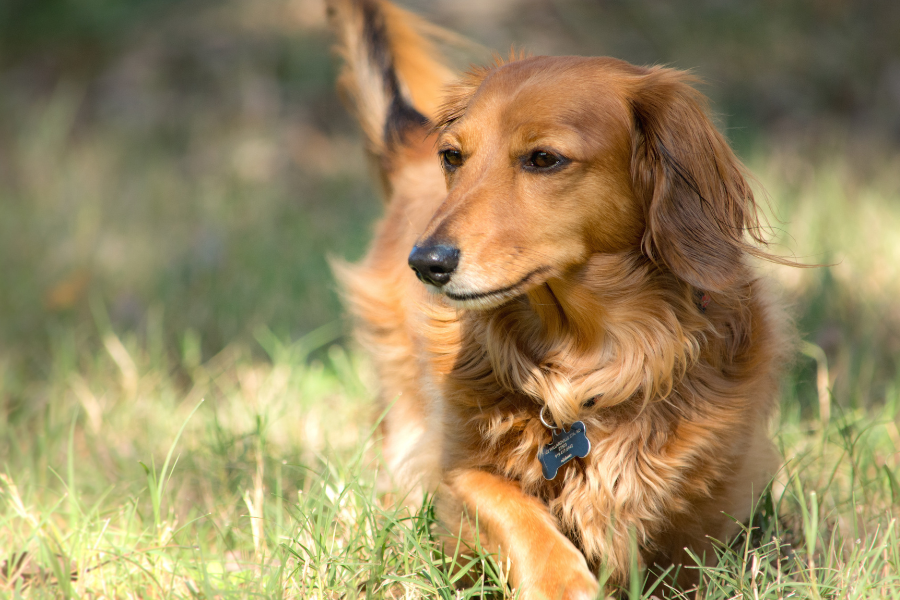
Dachshunds can have smooth, long, or wire-haired coats. Their grooming needs vary depending on coat type. Smooth-coated Dachshunds generally need simple brushing and routine bathing when needed. Long-haired Dachshunds benefit from regular brushing to help prevent tangles. Wire-haired Dachshunds may need more specialized grooming to keep their coat healthy and tidy.
Start grooming routines when your puppy is young. Touch their paws, ears, tail, and body gently. Introduce a brush slowly. This helps your Mini Dachshund Puppy learn that grooming is a normal part of life.
Mini Dachshund Puppy Health Care
Regular veterinary care is an important part of your puppy’s first year.
Your veterinarian can help with:
- Vaccinations
- Parasite prevention
- Nutrition
- Dental care
- Weight monitoring
- Spaying or neutering discussions
- General health checks
- Breed-specific concerns
Dental care should also start early. Your puppy can gradually become comfortable with having their mouth and teeth handled. Never wait until adulthood to begin teaching basic handling skills.
Common Mini Dachshund Puppy Questions
How big will a Mini Dachshund Puppy get?
A Mini Dachshund generally remains within the miniature size range, with adult dogs commonly weighing around 11 pounds or less under the breed standard. Individual dogs can vary.
When should I start training my Mini Dachshund Puppy?
Training can begin as soon as your puppy comes home. Start with simple behaviors such as responding to their name, coming when called, and learning where to potty.
Are Mini Dachshunds hard to potty train?
They can be challenging for some owners because of their small size, independent nature, and limited bladder capacity as puppies. Consistency and patience are key.
Can a Mini Dachshund Puppy climb stairs?
Young Dachshunds should be supervised around stairs because of their long backs and short legs. Your veterinarian can provide guidance based on your home’s setup and your puppy’s development.
How much exercise does a Mini Dachshund Puppy need?
Exercise needs vary with age and individual development. Young puppies generally do best with short, age-appropriate activity sessions rather than long, strenuous exercise.
When is a Mini Dachshund fully grown?
Many Mini Dachshunds are close to their adult size by around one year, although individual dogs mature at different rates.
Mini Dachshund Puppy First-Year Checklist
Use this simple checklist to keep track of your puppy’s first year:
At 8 weeks:
- Set up a safe sleeping area
- Establish a feeding schedule
- Begin potty training
- Schedule veterinary care
- Start learning their name
- Puppy-proof your home
At 3 to 4 months:
- Continue socialization
- Work on basic commands
- Provide safe chew toys
- Introduce grooming routines
- Practice leash skills
At 5 to 6 months:
- Reinforce training
- Monitor body condition
- Continue safe exercise
- Practice recall
- Work on calm behavior
At 7 to 9 months:
- Continue obedience training
- Provide mental stimulation
- Manage barking
- Maintain consistent household rules
- Monitor back-friendly activity
At 10 to 12 months:
- Maintain healthy nutrition
- Continue exercise
- Keep up with grooming
- Reinforce good manners
- Prepare for adult routines
Final Thoughts on Raising a Mini Dachshund Puppy
The first year with a Mini Dachshund Puppy can be full of learning, laughter, training challenges, and plenty of cuddles. Your puppy will change quickly between 8 weeks and 1 year, so focus on building good habits rather than expecting perfection.
Give your puppy a safe home, balanced nutrition, appropriate exercise, positive training, regular veterinary care, and plenty of patience. Pay special attention to healthy weight management and activities that protect their long back.
Most importantly, enjoy the process. The tiny puppy who follows you around the house at 8 weeks will eventually become your loyal adult companion. With consistency and care, your Mini Dachshund Puppy can grow into a happy, confident, and well-mannered dog who is ready to share many years with your family.