Blog
How to Choose a Dachshund Puppy: Temperament, Coat, Color, Size, and Health

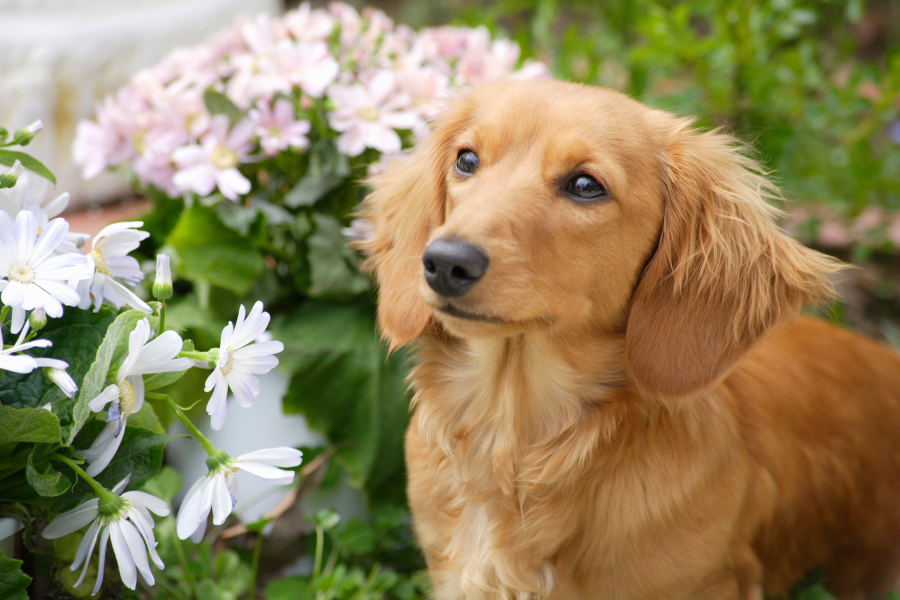
Choosing the right Dachshund Puppy means looking at more than a cute face. You also need to think about temperament, coat type, color, adult size, health, activity level, and how well the puppy fits your home and lifestyle.
Dachshunds are small dogs with big personalities. They are known for their long bodies, short legs, curious nature, and strong bond with their families. While every puppy is different, learning what to look for can help you make a more informed choice.
Whether you are looking for a miniature or standard Dachshund, a smooth, longhaired, or wirehaired coat, this guide will help you understand the most important things to consider before bringing your puppy home.
How to Choose a Dachshund Puppy
The best way to choose a Dachshund Puppy is to look at the whole puppy, not just its appearance. A good match should have a healthy body, a suitable temperament, and characteristics that fit your family.
Before choosing a puppy, consider:
- Temperament and personality
- Energy level
- Coat type
- Color and pattern
- Expected adult size
- Health history
- Socialization
- Breeder practices
- Your household and lifestyle
A puppy should look bright, alert, curious, and comfortable around people. It is normal for puppies to have different personalities, but extreme fear, unusual weakness, or signs of illness deserve attention.
What Is a Dachshund Puppy Like?
A Dachshund Puppy is often playful, curious, affectionate, and confident. Dachshunds were originally developed as hunting dogs, so many still have strong instincts to explore, dig, follow scents, and chase small animals.
They can be very loving with their families, but they are not always passive lap dogs. Many Dachshunds have independent personalities and may decide that they have their own ideas about what should happen next.
Training and early socialization are important. A puppy that learns good habits early can become a well-mannered adult companion.
Common Dachshund Traits
| Trait | What to Expect |
| Personality | Playful, curious, affectionate, alert |
| Energy | Moderate to high |
| Intelligence | Smart and often independent |
| Training | Can learn quickly but may be stubborn |
| Family bond | Usually strong |
| Alertness | Often very alert |
| Hunting instinct | Can be strong |
| Exercise needs | Daily walks and play |
| Grooming | Depends on coat type |
Because personality varies from puppy to puppy, spend time observing the litter instead of choosing based only on color or markings.
How to Choose a Dachshund Puppy by Temperament
Temperament should be one of the most important parts of choosing a Dachshund Puppy. A puppy’s personality can be influenced by genetics, early experiences, socialization, environment, and training. You cannot predict every part of an adult dog’s personality, but observing the puppy and asking the breeder questions can provide useful clues.
Look for a Confident Puppy
A healthy, well-socialized puppy will usually show some curiosity. It may approach people, investigate toys, play with littermates, and explore its surroundings. A puppy does not need to be the most outgoing one in the group. A quieter puppy can also make an excellent companion. The goal is to find a puppy whose personality fits your household.
Watch How the Puppies Interact
Spend some time watching the litter before making a decision.
Look for puppies that:
- Play appropriately with littermates
- Show curiosity
- Respond to people
- Recover after being startled
- Enjoy normal handling
- Have periods of active play and rest
- Do not consistently hide away
Ask the breeder about each puppy’s personality. A responsible breeder spends enough time with the litter to understand their individual traits.
Should You Choose the Most Playful Dachshund Puppy?
Not necessarily. The most energetic puppy is not automatically the best choice. A highly active puppy may be a great fit for an active household, while another family may prefer a calmer companion. Think about your daily routine.
If you work from home and enjoy regular walks and play, a more energetic puppy may fit well. If you have young children, older family members, or a quieter home, you may prefer a puppy with a calmer personality. There is no single “perfect” Dachshund personality. The right choice depends on the match between the puppy and your family.
How to Choose a Dachshund Puppy by Coat Type
Dachshunds come in three main coat types:
- Smooth
- Longhaired
- Wirehaired
Each coat has a different appearance and grooming routine.
Smooth Dachshund
Smooth-coated Dachshunds have short, close coats that are usually easy to maintain. They generally need simple grooming, such as brushing and occasional bathing when needed.
Longhaired Dachshund
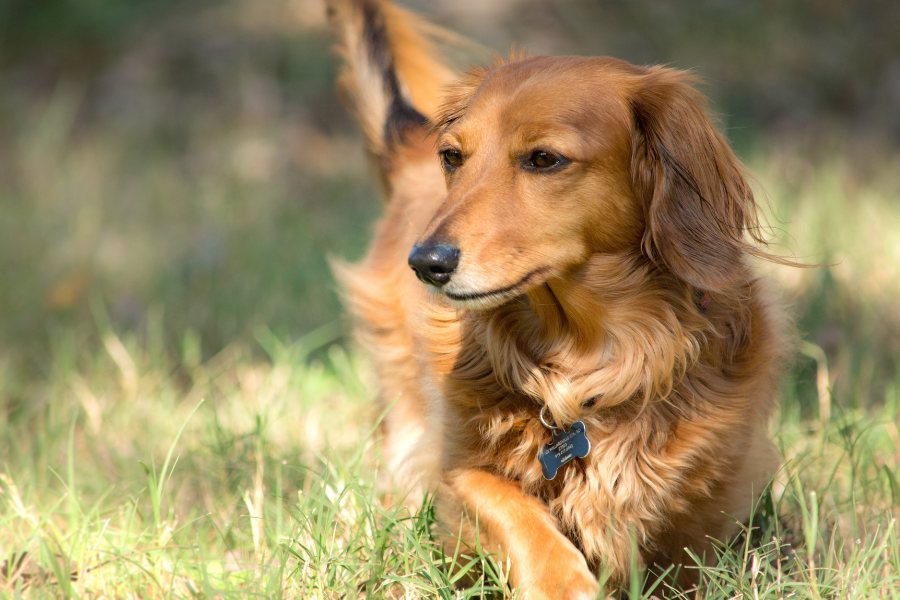
Longhaired Dachshunds have longer, softer hair that can create feathering around the ears, chest, legs, and tail. They may need more regular brushing to help prevent tangles and mats.
Wirehaired Dachshund
Wirehaired Dachshunds have a rougher coat and often have a distinctive beard and eyebrows. Their coat can require more hands-on grooming than a smooth Dachshund.
Dachshund Coat Comparison
| Coat Type | Appearance | Grooming |
| Smooth | Short and sleek | Low |
| Longhaired | Longer and flowing | Moderate |
| Wirehaired | Rough and textured | Moderate to higher |
When choosing a Dachshund Puppy, pick the coat you like, but also think about how much grooming you are willing to do.
How to Choose a Dachshund Puppy by Color
Dachshunds come in many colors and patterns. Some common colors include:
- Red
- Cream
- Black and tan
- Chocolate and tan
- Chocolate and cream
- Black and cream
- Dilute colors such as blue or Isabella
Patterns can include dapple, piebald, brindle, and shaded patterns. However, color should not be the only reason you choose a puppy. A particular color may look beautiful, but health, temperament, breeder practices, and overall structure are more important when choosing a companion.
What Is a Dapple Dachshund?
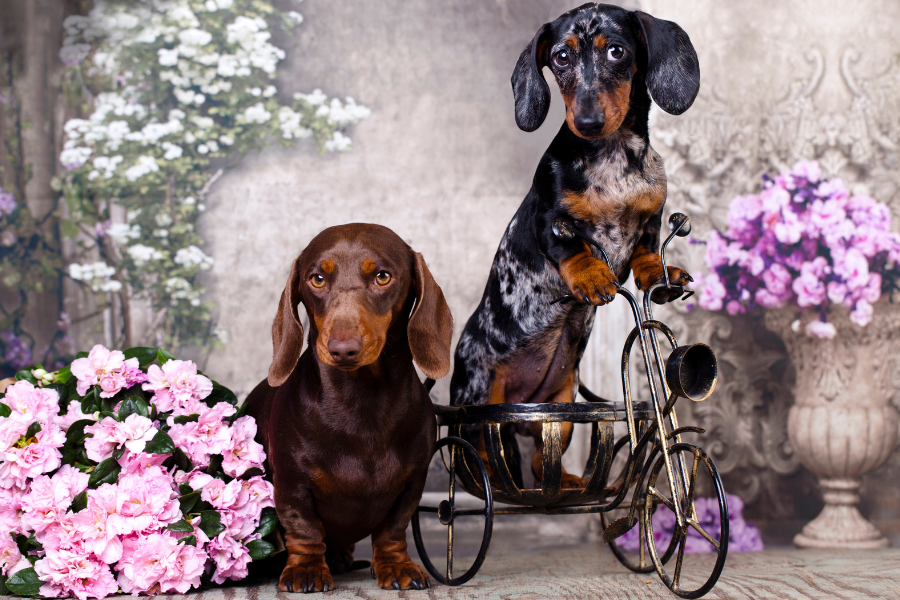
A dapple Dachshund has a mottled pattern caused by the dapple gene, also known as the merle gene. Dapple coloring can produce lighter patches across a darker base color. Some dapple Dachshunds may also have blue or partially blue eyes.
Special care should be taken with breeding practices involving dapple Dachshunds. Breeding two dapple dogs together can produce double-dapple puppies, which have a higher risk of serious eye and hearing problems. Ask the breeder about the parents’ colors and patterns and how the litter was planned.
Does Dachshund Color Affect Health?
Color itself is not a simple measure of health. However, certain genes connected with particular colors or patterns can have health implications. This is why responsible breeding matters.
When choosing a Dachshund Puppy, ask about genetic testing, the health history of the parents, and how the breeder selects breeding pairs. Do not choose a puppy based only on a rare or unusual color.
How to Choose a Dachshund Puppy by Size
Dachshunds are commonly divided into standard and miniature sizes, although exact size classifications can vary by registry and country. Adult size is influenced by genetics, so the puppy’s parents can give you useful information about expected growth.
Miniature Dachshund
Miniature Dachshunds are smaller than standards and are popular with families looking for a compact companion. Despite their small size, they still need exercise, training, mental stimulation, and careful handling.
Standard Dachshund
Standard Dachshunds are larger and generally have a more substantial body than miniature Dachshunds. They still have the classic long body and short legs associated with the breed.
Dachshund Size Comparison
| Size | General Description |
| Miniature | Smaller, compact companion |
| Standard | Larger and more substantial |
Keep in mind that puppies do not all grow at exactly the same rate. Genetics, nutrition, health, and other factors can affect growth.
How Big Will a Dachshund Puppy Get?
One of the easiest ways to estimate adult size is to look at the puppy’s parents and family history.
Ask the breeder:
- How large are the parents?
- What size were previous puppies from the same lines?
- What adult weights are common in the family?
- Is the puppy expected to be miniature or standard?
A responsible breeder should be able to give you a reasonable estimate without promising an exact adult weight.
How to Choose a Healthy Dachshund Puppy
Health should be a major part of your decision. Before choosing a Dachshund Puppy, look for a puppy that appears bright, active, and comfortable.
A healthy puppy should generally have:
- Clear, bright eyes
- Clean ears
- A clean nose
- A healthy-looking coat
- Good body condition
- Normal movement
- Good energy
- Normal appetite
- Clean skin
- No obvious signs of illness
Ask for veterinary records and information about vaccinations, deworming, and health checks.
Dachshund Health Questions to Ask a Breeder
Dachshunds have some health concerns that prospective owners should understand. One of the most important is intervertebral disc disease, commonly called IVDD. Because of their long backs and short legs, Dachshunds can be more vulnerable to spinal problems.
This does not mean every Dachshund will develop IVDD. However, owners should understand the breed’s back-health considerations.
Ask the breeder:
- What health testing has been done on the parents?
- Can I see the parents’ health records?
- Has the litter received veterinary examinations?
- What vaccinations has the puppy received?
- What deworming has been completed?
- Are there known health concerns in the puppy’s family?
- What health guarantee is provided?
- What happens if the puppy develops a serious inherited condition?
A breeder who welcomes reasonable health questions is generally easier to work with than one who avoids them.
Dachshund Puppy Health Checklist
| What to Check | What You Want to See |
| Eyes | Clear and bright |
| Ears | Clean and without obvious discharge |
| Coat | Clean and healthy-looking |
| Skin | No obvious irritation or sores |
| Movement | Comfortable and coordinated |
| Energy | Alert and appropriately active |
| Appetite | Eating normally |
| Records | Veterinary and vaccination records |
| Parents | Health information available |
| Genetics | Appropriate testing where recommended |
This checklist does not replace a veterinary examination. A puppy should receive appropriate veterinary care after going home.
Why Breeder Practices Matter
The breeder you choose can be just as important as the puppy you choose. A responsible breeder should care about the health and welfare of both the parents and puppies.
Look for breeders who:
- Keep puppies in a clean environment
- Provide appropriate veterinary care
- Socialize puppies
- Know the individual personalities of their puppies
- Can explain their breeding program
- Provide health records
- Answer questions clearly
- Allow you to learn about the puppy’s parents
- Have a clear contract
- Provide support after adoption
Be cautious if someone pressures you to make a fast decision or refuses to provide basic health information.
What Questions Should You Ask Before Buying a Dachshund Puppy?
Before bringing your puppy home, make a list of questions.
Questions About the Puppy
- How old is the puppy?
- What is the puppy’s personality like?
- What type of food is the puppy eating?
- Has the puppy been examined by a veterinarian?
- Which vaccines have been given?
- Has the puppy been dewormed?
- What socialization has the puppy received?
Questions About the Parents
- Can I meet the parents?
- What are their sizes?
- What are their temperaments?
- What health testing has been performed?
- Are there known health problems in their family?
Questions About the Breeder
- What support do you provide after the puppy goes home?
- Do you provide a health guarantee?
- What does the contract include?
- What happens if I can no longer keep the dog?
These questions can help you understand what you are buying and what support you can expect.
How to Choose a Dachshund Puppy for Your Family
Your lifestyle should play a big role in your decision.
For Families With Children
Look for a puppy with a friendly, confident temperament. Children should also be taught how to handle dogs safely. Dachshunds have long backs, so rough handling, dropping, or allowing a puppy to jump from high surfaces can be risky.
For Apartment Living
A Dachshund can live comfortably in an apartment when its exercise, training, and mental stimulation needs are met. Remember that Dachshunds can be vocal. If you live in an apartment, early training can help manage barking.
For First-Time Dog Owners
Dachshunds can be wonderful companions for first-time owners, but they still need consistent training. Their intelligence can sometimes come with independence. Short, positive training sessions are often more useful than long, frustrating sessions.
Dachshund Puppy Selection Checklist
Before choosing your puppy, use this simple checklist:
Temperament
- Is the puppy curious?
- Does it interact normally with people?
- Does it play appropriately?
- Does it recover after a new experience?
Coat
- Which coat type do you prefer?
- How much grooming can you handle?
Color
- Do you have a preferred color or pattern?
- Have you asked about the genetics behind the pattern?
Size
- Are you looking for a miniature or standard?
- What size are the parents?
Health
- Has the puppy been examined?
- Are veterinary records available?
- Has appropriate health testing been performed on the parents?
Breeder
- Is the breeder transparent?
- Can you learn about the parents?
- Is there a written contract?
- Is support available after the puppy goes home?
What Should You Look for in a Dachshund Puppy?
The best puppy for your family is not necessarily the one with the rarest color, the smallest body, or the most impressive markings. Instead, look at the complete picture.
A good choice should include a puppy with an appropriate temperament, a healthy appearance, suitable size expectations, a coat you can maintain, and a breeder who prioritizes responsible care.
Take your time. Ask questions. Watch the puppies interact. Learn about the parents. Review health information and make sure you understand the commitment of caring for a Dachshund.
Frequently Asked Questions About Choosing a Dachshund Puppy
What should I look for when choosing a Dachshund Puppy?
Look for a puppy that is alert, curious, active, and comfortable with normal handling. Consider temperament, coat, expected size, health history, socialization, and breeder practices.
Is a male or female Dachshund better?
Neither sex is automatically better. Individual personality, training, genetics, and your family’s lifestyle are more important factors.
What is the easiest Dachshund coat to maintain?
Smooth-coated Dachshunds generally require the least grooming. Longhaired and wirehaired Dachshunds may need more regular coat care.
What is the best Dachshund color?
There is no single best color. Dachshunds come in many attractive colors and patterns. Health and responsible breeding should be considered before appearance.
How can I tell if a Dachshund Puppy is healthy?
A healthy-looking puppy should generally be alert, active, clean, and moving normally. Ask for veterinary records and have your puppy examined by your own veterinarian after bringing it home.
Are Dachshunds good family dogs?
Dachshunds can make loving family companions when they receive proper training, socialization, exercise, and safe handling.
Are Dachshunds easy to train?
Dachshunds are intelligent and can learn many commands, but they can also be independent. Consistent, positive training is important.
Do Dachshunds need a lot of exercise?
Dachshunds need regular daily activity, but their exercise should be appropriate for their body structure. Walks, play, training, and mental enrichment can help keep them active.
How do I choose between a miniature and standard Dachshund?
Think about the size you prefer, your living situation, and the size of the puppy’s parents. Ask the breeder about expected adult size rather than relying only on the puppy’s current size.
Final Thoughts on Choosing a Dachshund Puppy
Choosing a Dachshund Puppy is an exciting decision, but it is also one that deserves careful thought. The cutest puppy is not always the best match for your home. Temperament, health, size, coat, color, and breeder practices all matter.
Start by deciding what you need from your future companion. Then meet the puppies, ask questions, learn about the parents, and review health information. Give yourself time to make a thoughtful choice rather than selecting a puppy based only on appearance.
With the right preparation, you can find a Dachshund Puppy that fits your family, lifestyle, and expectations. A well-matched Dachshund Puppy can become a loving companion and an important part of your family for many years.